


In the quest for sustainable and cost - effective building operations, energy efficiency has emerged as a top priority. One often - overlooked component in the energy equation is the air outlet. As a supplier of efficient air outlets, I am here to explore whether an efficient air outlet can indeed save energy.
The Basics of Air Outlets and Energy Consumption
To understand the potential of efficient air outlets in saving energy, we first need to grasp how traditional air outlets function and their impact on energy use. In a typical HVAC (Heating, Ventilation, and Air - Conditioning) system, air outlets are responsible for distributing conditioned air throughout a space. When air is forced through an inefficient outlet, it can lead to several energy - wasting scenarios.
For instance, poor air distribution can cause uneven temperature and humidity levels in a room. This means that the HVAC system has to work harder to maintain the desired comfort conditions. In some cases, cold or hot spots may form, and occupants might adjust the thermostat settings, further increasing the energy demand. Additionally, inefficient air outlets can create excessive air resistance, which requires the HVAC fans to consume more power to push the air through the system.
How Efficient Air Outlets Work
Efficient air outlets are designed to address these issues. They are engineered to optimize air distribution, reduce air resistance, and improve the overall performance of the HVAC system.
One key feature of efficient air outlets is their ability to provide a more uniform air distribution. By using advanced aerodynamic designs, these outlets can direct the air in a way that minimizes the formation of dead zones and ensures that the conditioned air reaches all corners of the room. This results in a more consistent temperature and humidity level, reducing the need for the HVAC system to over - work.
Another important aspect is the reduction of air resistance. Efficient air outlets are constructed with smooth internal surfaces and well - designed vanes or diffusers. These features allow the air to flow more freely, reducing the pressure drop across the outlet. As a result, the HVAC fans can operate more efficiently, consuming less electricity.
Case Studies: Energy Savings with Efficient Air Outlets
There are numerous real - world examples that demonstrate the energy - saving potential of efficient air outlets. In a large office building in a major city, the management decided to upgrade their traditional air outlets to our Replaceable High - efficiency Air Outlet. Before the upgrade, the building's HVAC system was consuming a significant amount of energy, and employees often complained about uncomfortable working conditions.
After the installation of the efficient air outlets, the building's energy consumption decreased by 15% within the first month. The temperature and humidity levels became more consistent, and the employees reported a higher level of comfort. Similar results were observed in a hotel that replaced its old air outlets with our Liquid Tank Type High - efficiency Air Supply Outlet. The hotel was able to reduce its energy costs by 12% while improving the guest experience.
Energy - Saving Mechanisms in Detail
Let's take a closer look at the specific energy - saving mechanisms of efficient air outlets.
Aerodynamic Design: The aerodynamic design of efficient air outlets plays a crucial role in energy savings. Our High - efficiency Air Supply Vent without Partition is a prime example. Its streamlined shape allows the air to flow smoothly, reducing turbulence and pressure losses. This means that the HVAC system can achieve the same level of air distribution with less energy input.
Variable Air Volume (VAV) Compatibility: Many efficient air outlets are designed to be compatible with VAV systems. VAV systems adjust the volume of air supplied to different zones based on the actual demand. Efficient air outlets can work in harmony with these systems, ensuring that the air is distributed precisely where it is needed. This eliminates the waste of energy that occurs when a constant volume of air is supplied to all areas, regardless of their occupancy or cooling/heating requirements.
Improved Air Mixing: Efficient air outlets also enhance air mixing within the room. By promoting better mixing of the conditioned air with the room air, they can reduce the temperature differences between the supply air and the room air. This allows the HVAC system to operate at a more moderate temperature setting, further saving energy.
Environmental Benefits
In addition to energy savings, efficient air outlets also offer significant environmental benefits. By reducing the energy consumption of HVAC systems, they help to lower greenhouse gas emissions. The electricity used by HVAC systems often comes from power plants that burn fossil fuels, such as coal and natural gas. By using less electricity, efficient air outlets contribute to a reduction in carbon dioxide and other pollutants released into the atmosphere.
Moreover, the longer lifespan of efficient air outlets compared to traditional ones means less waste generation. Since they are more durable and require less frequent replacement, they reduce the amount of material that ends up in landfills.

Cost - Benefit Analysis
When considering the installation of efficient air outlets, it is important to conduct a cost - benefit analysis. While the initial investment in efficient air outlets may be higher than that of traditional ones, the long - term savings in energy costs can more than offset the upfront expense.
In addition to energy savings, efficient air outlets can also lead to lower maintenance costs. Their advanced designs and high - quality materials make them less prone to clogging and damage, reducing the need for frequent cleaning and repairs. Over the life cycle of the HVAC system, the total cost of ownership of efficient air outlets is often lower than that of traditional outlets.
Conclusion and Call to Action
In conclusion, an efficient air outlet can indeed save energy. Through improved air distribution, reduced air resistance, and better compatibility with HVAC systems, these outlets can significantly reduce the energy consumption of buildings. The real - world case studies and the scientific principles behind their operation clearly demonstrate their energy - saving potential.
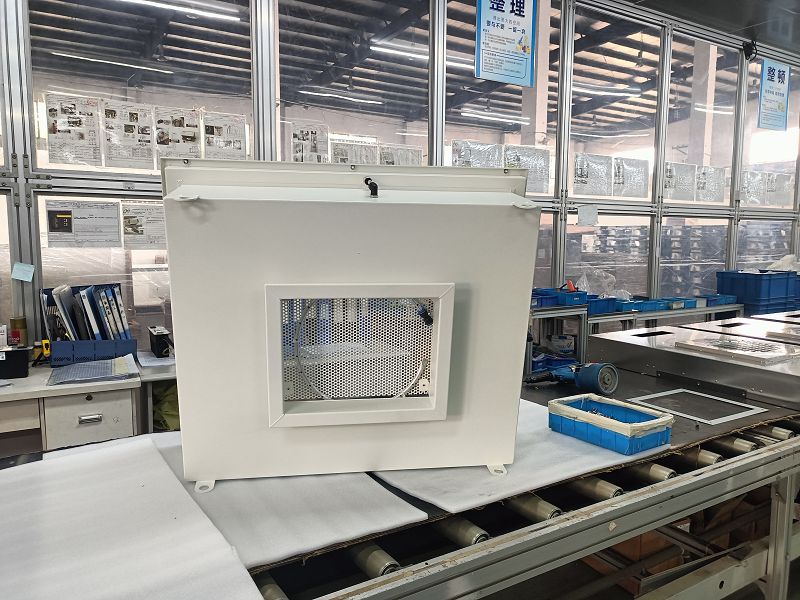
If you are looking to improve the energy efficiency of your building, reduce your energy costs, and enhance the comfort of your occupants, I encourage you to consider our range of efficient air outlets. We offer a variety of products, including the Replaceable High - efficiency Air Outlet, Liquid Tank Type High - efficiency Air Supply Outlet, and High - efficiency Air Supply Vent without Partition.
Contact us today to discuss your specific needs and start your journey towards a more energy - efficient building. Our team of experts is ready to provide you with detailed information, product samples, and installation support. Let's work together to create a more sustainable and cost - effective future.
References
- ASHRAE Handbook of HVAC Systems and Equipment. American Society of Heating, Refrigerating and Air - Conditioning Engineers.
- Energy Star. "Energy Efficiency in Commercial Buildings." A report on best practices for energy savings in commercial spaces.
- Building Science Corporation. "Optimizing HVAC System Performance." Research on improving the efficiency of heating, ventilation, and air - conditioning systems.